Detect, Defend, and Respond Faster

ARE YOUR VENDORS INTRODUCING HIDDEN RISKS?
Core
Service
Categories


Identify vulnerabilities, insecure coding practices, and logic flaws through automated and manual source code analysis, helping development teams remediate risks before applications reach production.
Assess running applications from an attacker’s perspective to uncover runtime vulnerabilities, authentication weaknesses, configuration issues, and exposed attack surfaces that may evade code reviews.
Analyze open-source and third-party dependencies to identify known vulnerabilities, outdated components, licensing concerns, and supply chain risks that could impact application security.
Generate a comprehensive inventory of software components to improve visibility into application dependencies, support compliance requirements, and identify vulnerable or outdated elements.
Provide hands-on guidance to development teams for vulnerability remediation, secure coding improvements, root-cause analysis, and validation of fixes to ensure long-term security.
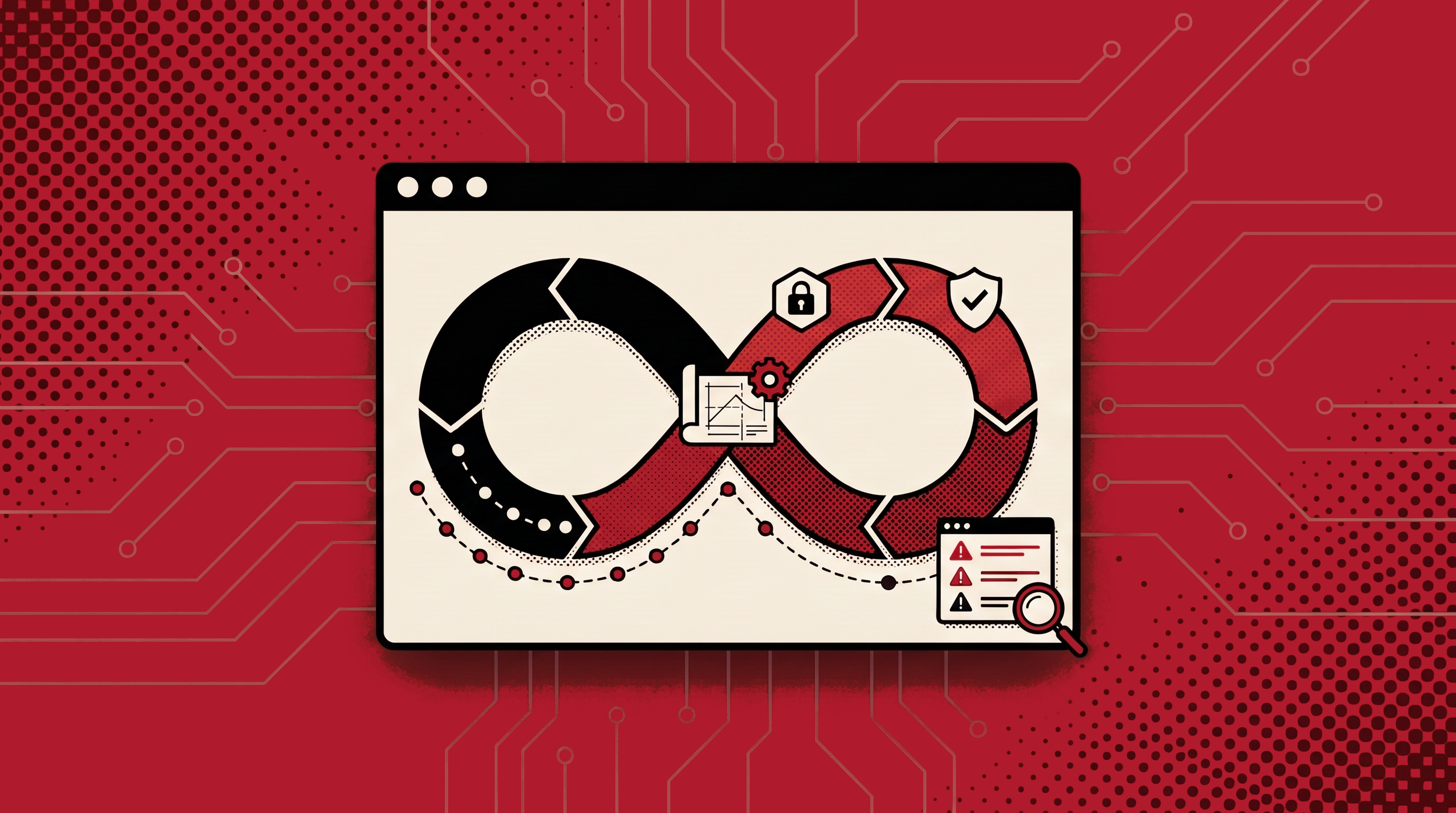
Evaluate application architecture and development practices to identify security gaps, reduce design-level risks, and embed security principles early within the software development lifecycle.
Integrate automated security testing into CI/CD pipelines to detect vulnerabilities early, enforce security controls, and provide continuous feedback throughout development and deployment.
Centralize vulnerability tracking, prioritization, and remediation workflows, enabling teams to focus on critical risks while maintaining continuous visibility across the application lifecycle.

Identify potential attack paths, trust boundary weaknesses, and design-level security risks early in development, enabling proactive mitigation before deployment.
Analyze how sensitive data moves across systems to identify exposure risks, insecure communication paths, and weaknesses in data handling, storage, and protection.
Assess cloud environments for misconfigurations, excessive permissions, and data exposure risks while providing recommendations to strengthen cloud security architecture and governance.
Evaluate existing trust models and access controls, then implement least-privilege principles and continuous verification to reduce unauthorized access and lateral movement risks.
.png)